Water Damage Restoration Camas, WA
Around-the-clock water damage restoration in Camas and east Clark County. The restoration team extracts standing water, dries the structure to the IICRC S500 standard and documents every step for the insurance claim.
(888) 509-1696 Get the extraction crew rolling tonight- 24/7 emergency dispatch
- IICRC S500 drying
- Truck-mounted extraction
Frozen pipe, roof leak or sewage on the floor? Shut off the main if it is safe, then call.
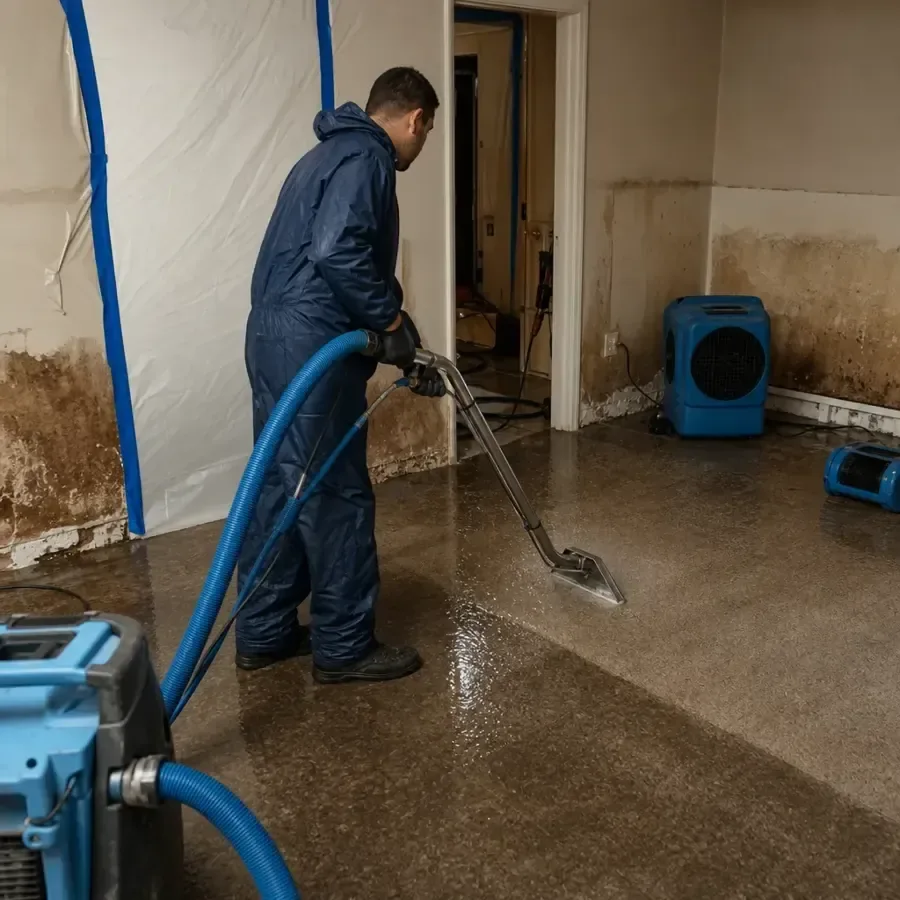
- Close the main. The shutoff valve on your side of the meter stops the flow. Never turn the city curb stop in the meter box.
- Cut power to wet rooms. Switch off the breakers for rooms with standing water, but only if the panel area is dry.
- Stay clear of outlets. Keep people and pets out of standing water near cords, outlets and appliances until the power is off.
- Photograph before moving anything. Wide shots and close shots of every wet room start the claim file before anything changes.
- Lift what you can. Raise furniture, pull up rugs and move valuables. Mold can start within 24 to 48 hours in damp air.
Water Damage Restoration Services in Camas, WA
Twelve services, from the first pump-out to the last moisture reading. Each one follows the same drying standard, with readings and photos kept for the claim file.
 Water Extraction and Removal Truck-mounted and portable extraction pulls standing water before it wicks into pad, drywall and framing. View service
 Frozen Pipe Water Damage Lines split in a cold snap, found when the thaw starts water running inside walls or under floors. View service
 Burst Pipe Water Damage Supply pipes that fail under pressure inside walls and ceilings, extracted fast and the cavities dried. View service
 Storm Runoff and Flood Cleanup Rain runoff, creek and river water treated as Category 3, mud and soaked materials out, structure dried. View service
 Roof Leak Water Damage Wind-driven winter rain through shingles, flashing and vents, wet attic insulation pulled and ceilings dried. View service
 Ceiling Leak Water Damage Upstairs bath, laundry and supply leaks traced, sagging drywall opened safely and joist bays dried. View service
 Crawl Space Water Removal Water pooled under raised floors pumped out, wet insulation and vapor barrier pulled, joists and subfloor dried. View service
 Sewage Backup Cleanup Toilet, floor drain and lateral backups handled as Category 3, with PPE, removal and antimicrobial treatment. View service
 Water Heater Leak Cleanup Tank and fitting failures in garages, closets and crawl spaces extracted before cabinets and drywall soak through. View service
 Appliance and Supply Hose Leaks Washer hoses, dishwashers, ice makers and toilet supplies extracted from floors, cabinets and the room below. View service
 Structural Drying and Dehumidification Framing, subfloor, hardwood and concrete dried with LGR dehumidifiers to within 2 to 4 points of dry. View service
 Commercial Water Damage Shops, offices, clinics and apartment buildings dried in phases so the doors can stay open. View service
Two things decide how a water loss ends here
Most water losses in local homes run through the same two weak points: what sits under the floor, and what the weather does in winter.
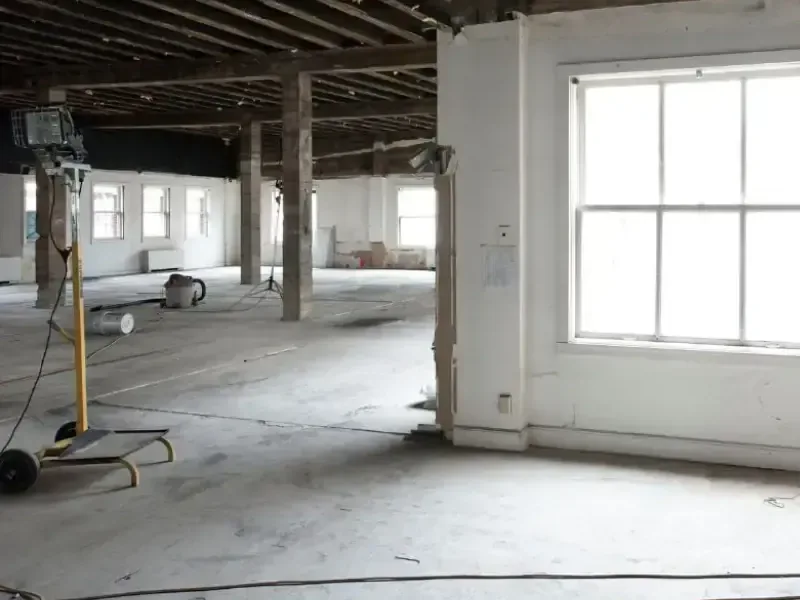
Under the floor
Water that reaches a crawl space keeps feeding moisture into joists and subfloor long after the rooms above look dry.
Measured, not guessed
Pin and pinless meters and thermal imaging map every wet area before equipment goes down, and again every day after.
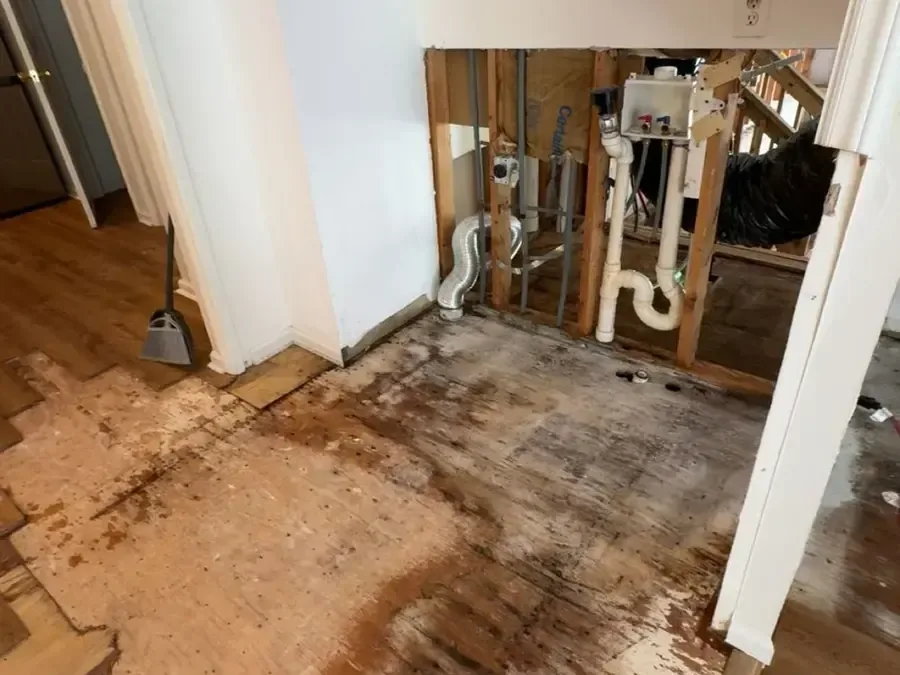
Cold snaps and thaws
Pipes in crawl spaces, garages and outside walls split in a hard freeze and start leaking when the ice melts.
Long rainy seasons
Months of wet weather push water through tired roofs and flashing, then into attic insulation and ceilings.
Water damage dried to the IICRC S500 standard
What separates a finished dry-out from a cosmetic one is the order of the work. Category 1, 2 and 3 water are handled differently, and Class 1 through 4 sets the equipment load.
- 1
Map
The tech who does the walkthrough maps moisture with meters and thermal imaging, then sets the category and class of the loss.
- 2
Extract
The extraction crew pulls standing water with truck-mounted units, which removes far more water than air movers ever will.
- 3
Dry
The drying team sets air movers to each room's load and runs LGR dehumidifiers, with heat added in cold weather.
- 4
Verify
Readings are logged every day, and equipment comes out only when materials read within 2 to 4 points of a dry reference.
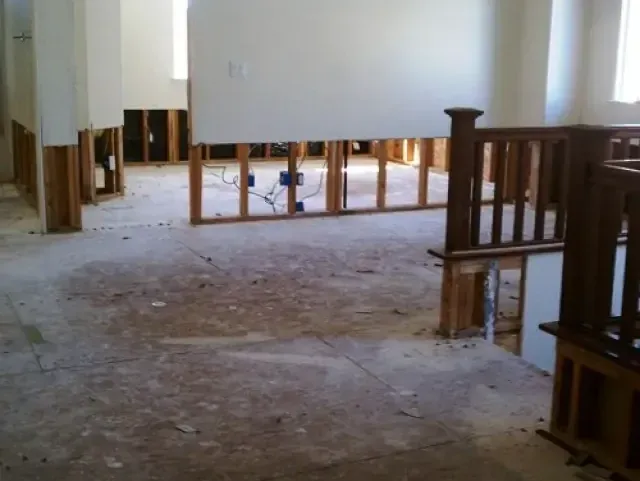
- Structural drying, not surface drying
- Equipment stays until readings say dry
- Daily logs for the adjuster
Clean, gray and black water, each handled its own way
Category 1, clean water
A burst supply line, a split frozen pipe or a water heater. Extracted and dried in place when drying starts early.
Burst pipe water damageCategory 2, gray water
Washer and dishwasher discharge, or a drain pan overflow that sat. Soaked porous materials are cleaned or removed.
Appliance and supply hose leaksCategory 3, black water
Sewage, and creek or river water that came in from outside. Porous materials it touched are removed, not dried.
Sewage backup cleanupWhat does water damage restoration cost in Camas, WA?
Most local water damage jobs run $1,500 to $4,000 for one room caught early, $4,000 to $9,000 when the water spread through a level, and $9,000 to $20,000 or more for sewage or flood water. The moisture map sets the real number.
Small, caught early
$1,500 to $4,000
- One room, clean water
- Extraction and drying
- 3 to 4 days of equipment
Larger or spread
$4,000 to $9,000
- Several rooms or a level
- Drywall and pad removed
- Crawl space drying added
Major or Category 3
$9,000 to $20,000+
- Sewage or flood water
- Materials removed and treated
- Rebuild scoped separately
Ranges move with the water category, the square footage, the material class and how fast drying started. For a planning number based on your own rooms, try the water damage cost calculator.
Documentation for your insurance claim
A water claim is decided on the file, not the phone call. Ask the restoration contractor who responds what documentation comes with the job before work starts.
Check your own policy
Sudden and accidental discharge, like a burst supply line or a failed water heater, is usually treated differently from rising creek or river water, which falls under flood coverage.
Coverage depends on your policy, and your insurer decides it. Reading the water and flood sections before a loss saves surprises later.
- A moisture map from day one, showing every wet area
- Timestamped photos taken before any demolition
- The category and class of the loss
- Daily psychrometric readings and the drying log
- A line-item scope in the format adjusters expect
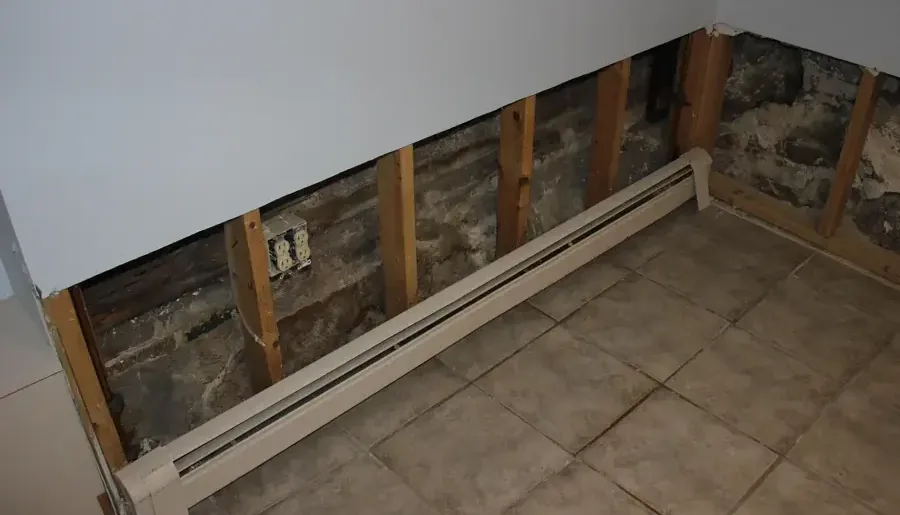
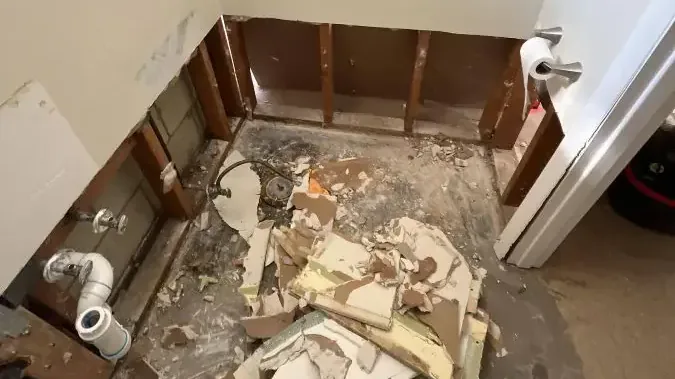
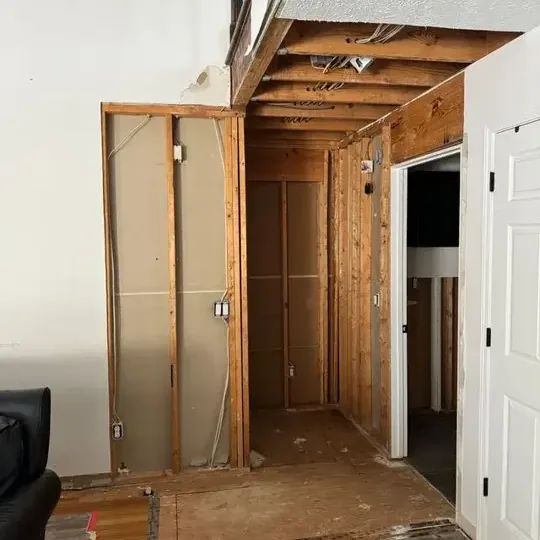
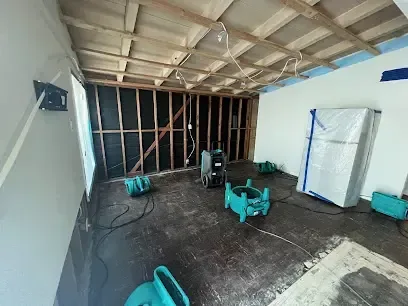
What a water damage dry-out looks like, room by room


Water damage help across Camas and east Clark County
One call reaches restoration pros on either side of the river
The response team runs 24/7 across the city and the neighbors on both sides of the Columbia, from Washougal and Vancouver to Fairview, Troutdale and Gresham.
Expect questions about which level is wet and where the water came from, because that decides what equipment goes on the truck.
- Camas, WA · [email protected]
- (888) 509-1696
- Dispatch every day of the year
Neighborhoods and landmarks
- Downtown
- Prune Hill
- Grass Valley
- Fern Prairie
- Lacamas Lake
- Round Lake
- Camas Slough waterfront
- Woodburn
- Lacamas Heritage Trail
- Washougal River side
ZIP code
98607
Water damage in Camas, WA: the local risk profile
The city sits on the Columbia with lakes, a creek and the Washougal River inside or along its limits, and its housing count grew from 4,736 units in 2000 to 7,072 in 2010.
- Cold snaps. Pipes in vented crawl spaces, garages and outside walls freeze in hard cold, then leak once the ice thaws. The water often runs unseen under the floor.
- Long wet seasons. Months of rain soak roofs, flashing and window trim, and runoff finds its way into crawl spaces when the ground stays saturated.
- Lakes and creek runoff. Lacamas Creek drains a wide stretch of open fields and farm land into Lacamas Lake and Round Lake, where housing went up from the 1990s on.
- Meter to house. The city's responsibility ends at the water meter, so the service pipe to the house and every pipe inside belong to the owner, and so does the leak.
- Pressure and backflow. City pressure can run well above 80 psi, which calls for a pressure reducing valve, and every underground lawn sprinkler needs a backflow assembly.
February 1996 Clark County was one of 24 Washington counties hit when warm rain fell on frozen, saturated ground and nearly all of it became runoff.
Water damage questions from Camas homeowners
Shut off the main on your side of the meter if it is safe, keep clear of outlets, then call for extraction.
How fast can a restoration crew get to a water loss?
Active water is treated as urgent at any hour, weekends and holidays included. Dispatch talks through what to expect and what to do first, and shutting off the main while waiting limits how far the water spreads.
Does homeowners insurance cover water damage?
Many policies cover sudden and accidental discharge, such as a burst supply pipe or a failed water heater. Rising creek or river water usually falls under separate flood coverage. Your insurer decides coverage under your policy, so check the water and flood sections.
What causes the most water damage in homes here?
Frozen and split pipes after a cold snap, wind-driven rain through roofs, water in crawl spaces during long wet seasons, water heater and washer hose failures, and sewer lateral backups into lower floors lead the list.
How long does it take to dry a house after a leak?
Most clean water losses dry in 3 to 5 days with air movers and LGR dehumidifiers. Hardwood, plaster and crawl space framing take longer. Equipment comes out when the readings reach a dry reference, not on a set date.
What is the IICRC S500 standard?
IICRC S500 is the industry standard for professional water damage restoration. It covers how to classify the water, how much drying equipment a room needs, safety around contaminated water, and how to confirm that materials are actually dry.
What should I do first when I find water?
Close the main shutoff on your side of the meter, switch off power to wet rooms if the panel is dry, photograph everything, and lift rugs and furniture. Then call for extraction before the water wicks further.
When does wet drywall have to come out?
Drywall soaked by clean water and caught early can often be dried in place with the wall cavities vented. Drywall that wicked sewage or flood water, swelled, or stayed wet for days is cut out above the waterline.
Why is sewage cleanup handled differently?
Sewage is Category 3 water carrying bacteria and viruses. Crews wear PPE, porous materials it touched are removed, and surfaces are cleaned and treated with an EPA-registered antimicrobial at the label dwell time before drying starts.
How is the cost of water damage restoration figured?
Cost is built from the water category, the square footage, the material class and the days of drying. Removing drywall, flooring or insulation and any crawl space work add to it. The moisture map is where the real number starts.
Can water under the house cause damage I cannot see?
Yes. Water in a crawl space raises humidity under the floor, swells subfloor and joists and soaks insulation. A meter reading of the framing shows what the floor above hides, which is why the crawl space gets checked on every walkthrough.
Water on the floor right now?
Reach a crawl space techWater in the house? Every hour of standing water costs more to dry.
It pushes deeper into subfloor, drywall and framing. The restoration team works around the clock.